
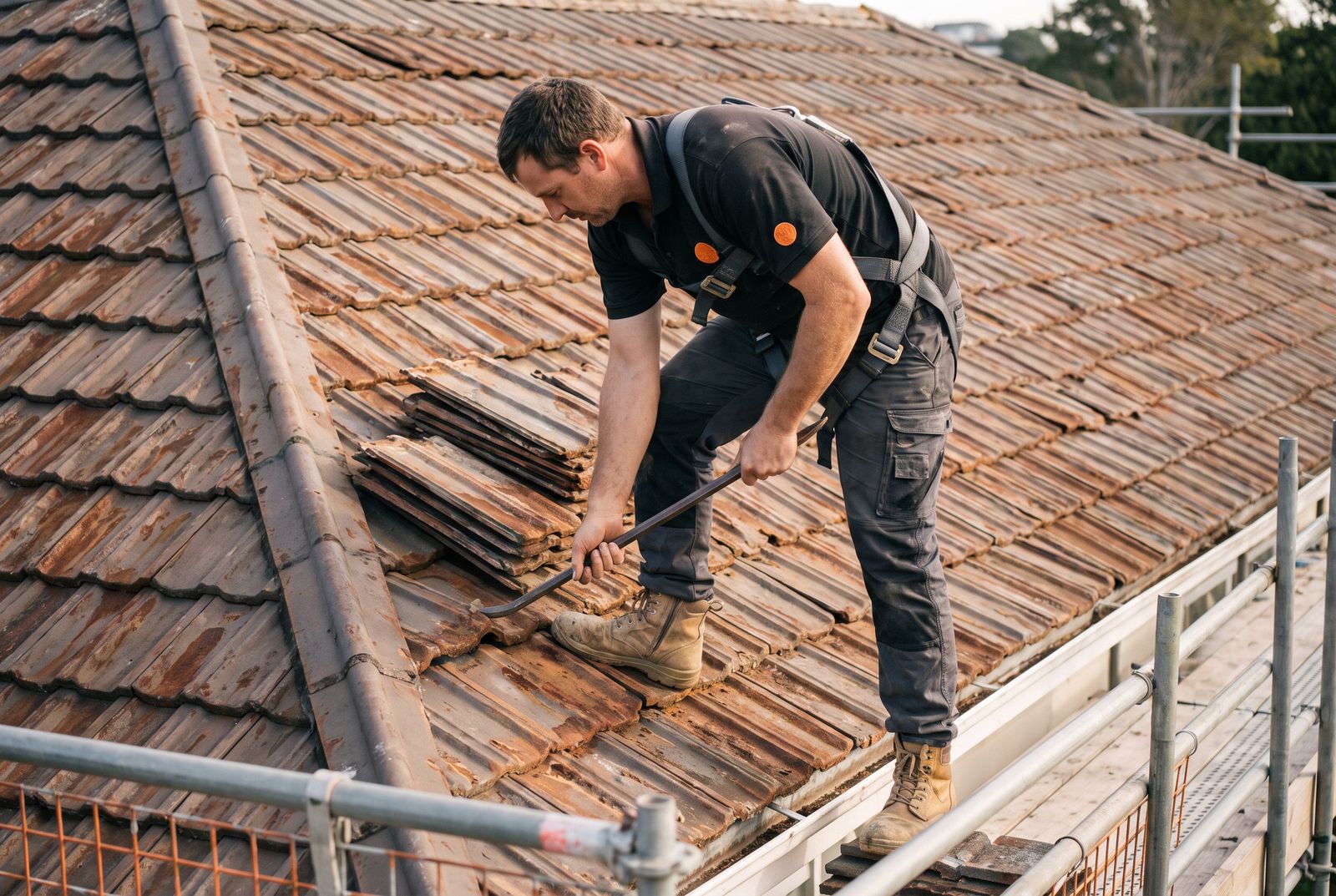
If you own a concrete tile home, the question usually comes up at one of three moments: the tiles start cracking and slipping, the ridges need rebedding again, or you are planning a renovation and wondering whether to switch. The right answer depends on the condition of the roof you have, not just on which material is better in general.
This guide compares the two on lifespan, noise, earthquake performance, maintenance and value, and explains where decramastic tiles fit in.
Is a tile or steel roof better in NZ?
Steel is the better choice for most reroofs, while a sound concrete tile roof is usually worth keeping and maintaining. The difference comes down to weight, joins and maintenance.
A tile roof is made of thousands of overlapping pieces, each one a potential point for wind-driven rain or a crack. Longrun steel runs from ridge to gutter in one length on most houses, so there are far fewer joins. Steel also does away with ridge bedding and pointing, and it can be walked on with care for maintenance. Tiles, on the other hand, are non-combustible, do not rust and can last a long time if the fixings, ridges and underlay are kept in order.
| Factor | Concrete tile | Longrun steel |
|---|---|---|
| Weight on the frame | Heavy | Light |
| Joins for water to find | Many, at every tile | Few, mostly at laps and flashings |
| Typical maintenance | Ridge rebedding, cracked and slipped tiles, moss | Washing sheltered areas, checking fixings |
| Main weakness | Cracks, ridges, fixings, brittle underlay | Corrosion near the sea if the wrong grade is used |
| Rain noise | Quieter | Audible, much reduced by underlay and insulation |
| Repair of single units | Easy if matching tiles are available | Sheets replaced by length |
Which lasts longer, concrete tiles or Colorsteel?
Neither has a single fixed lifespan, because both depend on installation, fixings, underlay and exposure. The Building Code's durability clause B2 sets a minimum of 15 years for roof cladding, and well-installed roofs of either type usually go well beyond that.
With steel, the environment decides the answer. COLORSTEEL publishes durability warranties that vary by environment category, with shorter terms for severe and very severe coastal sites. That is why homes near the water in Browns Bay or Howick need the steel grade matched to the site, which we confirm before quoting.
With concrete tiles, the tiles themselves often outlast the parts that hold them together. Ridges loosen, fixings corrode and the underlay beneath goes brittle, so a tile roof that looks fine from the street can still leak. Our tile roof repairs service deals with exactly those problems when the tiles are still sound.
Is a steel roof noisier in the rain?
A steel roof is noisier than tiles in heavy rain, but far less than most people expect when it is laid over new underlay with good ceiling insulation. You hear the rain, but it is not the drumming of an old uninsulated iron shed.
If noise worries you, ask what underlay and insulation are included. Replacing ceiling insulation is easiest while the roof is open, and it improves warmth as well as quietness. Profile makes a small difference too: the fixings, underlay and how firmly the sheets are held to the purlins matter more than whether you choose corrugate or a trapezoidal profile.
Heat behaves differently as well. Tiles hold heat and release it slowly into the evening, while steel heats and cools quickly. Lighter steel colours reflect more of the sun, which is one reason colour choice is worth thinking about on a north-facing roof.
Repair the tiles or switch to steel?
Cheeky's Roofers will inspect your tile roof and give you a repair price and a steel reroof price side by side.
Is a lighter steel roof safer in an earthquake?
Yes, a lighter roof generally performs better in an earthquake. The Natural Hazards Commission advises homeowners to consider replacing heavy roof tiles, like concrete or clay, with lighter weight metal options, and says a well-secured lightweight roof will be more resilient in an earthquake or extreme winds.
The same guidance says that if you keep tiles, they should be well connected to the framing, because tiles that slide off in an earthquake can cause serious injury. Lighter is not automatically better in wind, though. BRANZ notes that when a heavy tile roof is replaced with lightweight steel, wind uplift becomes the key concern, so the purlins and connections must be fixed to hold the roof down. That is the part of a tile to metal re-roofing job that separates a good one from a poor one.
How do decramastic tiles compare with concrete tiles?
Decramastic tiles are pressed steel tiles with a stone chip coating, so they are much lighter than concrete but behave like a steel roof once the coating fails. When the chips wash off, the steel underneath rusts, often from the inside out.
Concrete tiles fail differently: they crack, slip and lose their ridge bedding, but the tiles themselves do not rust. Some older decramastic roofs also contain asbestos in their coating, which changes how they can be cleaned, repaired and removed. If you have a decramastic roof that is shedding chips, the long-term fix is usually replacement with longrun steel.
Which roof adds more value to a house?
There is no reliable NZ data showing one material adds more resale value than the other. What buyers and their building inspectors look at is condition: a sound, well-maintained roof of either type helps a sale, and a tired roof of either type gets flagged in the report.
A new steel roof gives you a clean answer when a buyer asks about the roof's age, plus manufacturer warranty documents and a record of work. Colour also affects how the house looks from the street, so look at the full COLORSTEEL colours range and check physical samples in daylight before you decide.
When should you switch from tiles to steel?
Switch when the tile roof needs repairs on several faces at once, when the underlay has gone brittle, or when you are doing a renovation that already involves the roof. Keep the tiles when the problems are local and the rest of the roof is sound.
Much of Howick's housing was built from the 1950s onward as the suburb grew around its historic village, so many of its older roofs are now old enough for this decision. Our tile to metal re-roofing in Howick page covers what that conversion involves locally. Further south, Manurewa's 1950s and 1960s family homes face the same choice. Wherever you are, Cheeky's Roofers will check the tiles, ridges and underlay, then price a repair and a replacement side by side so you can compare. You can book a free measure online.
Frequently Asked Questions
Can steel go straight over existing tiles?
No. The tiles and battens come off first. Steel roofing needs purlins at a different spacing, fixed to resist wind uplift, and new underlay underneath. Overlaying tiles would add weight and trap problems you cannot see.
Do I need building consent to change from tiles to steel?
It depends on the house and how much structural work is involved. Whether the change counts as comparable under the Schedule 1 exemption needs checking for each house, so ask your roofer to confirm before quoting.
Are metal tiles a middle option?
Pressed metal tile systems give a tiled look at a fraction of the weight and suit some homes, especially where covenants or style matter. Longrun steel has fewer joins and is the more common choice for Auckland reroofs.
Can I keep my concrete tiles and just fix the ridges?
Yes, if the tiles and underlay are sound. Rebedding and repointing ridges and replacing cracked tiles can keep a tile roof going for years. An inspection tells you whether the rest of the roof justifies it.
What happens to the old concrete tiles?
They are removed from site. Sound tiles can sometimes be kept for other owners' tile repairs where practical, and the rest are disposed of. Ask your roofer how removal and disposal are priced in the quote.
Our Services
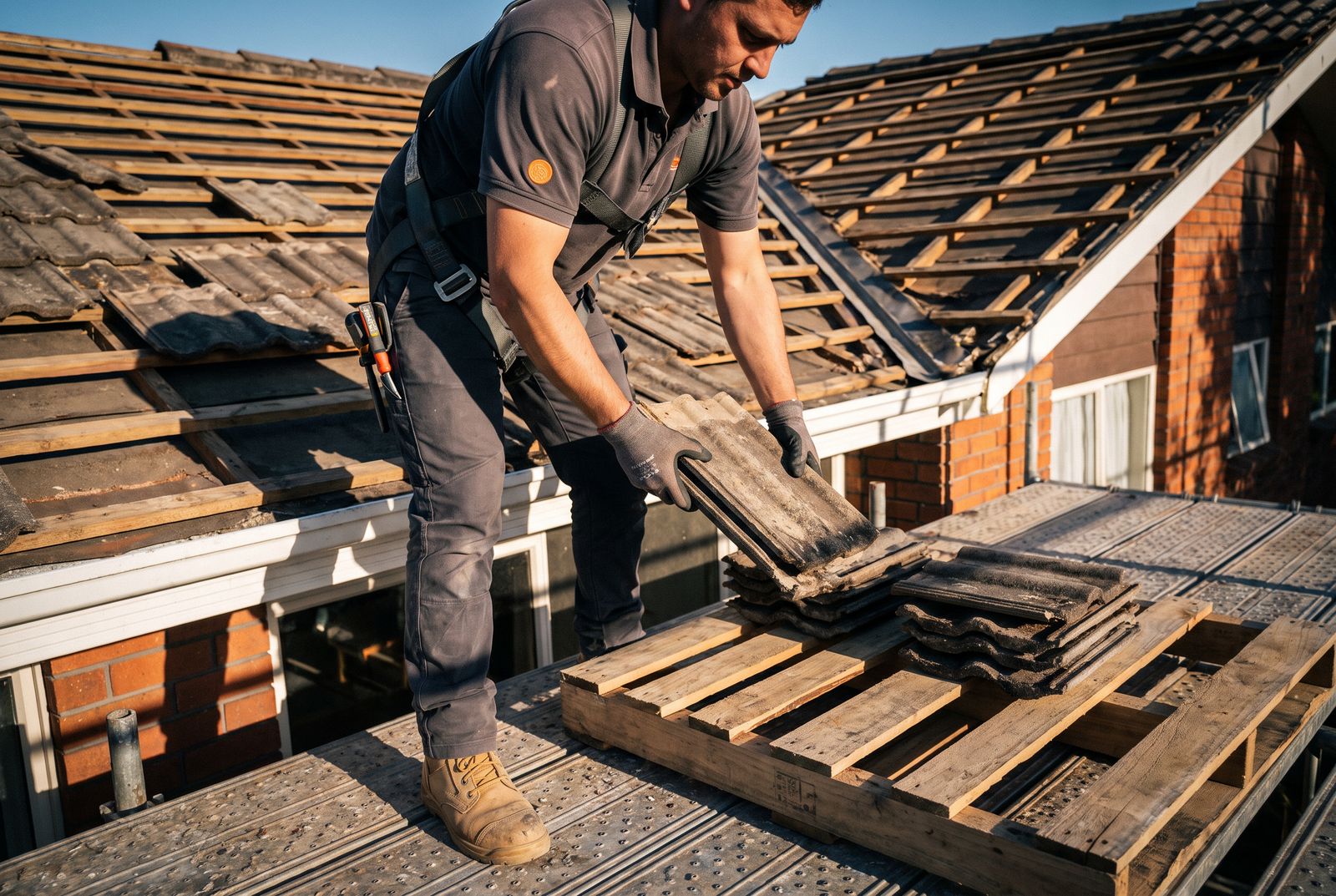 Tile to Metal Re-RoofingSwapping heavy concrete tiles for lightweight steel removes weight from the frame and ends the cycle of cracked tiles and leaks.
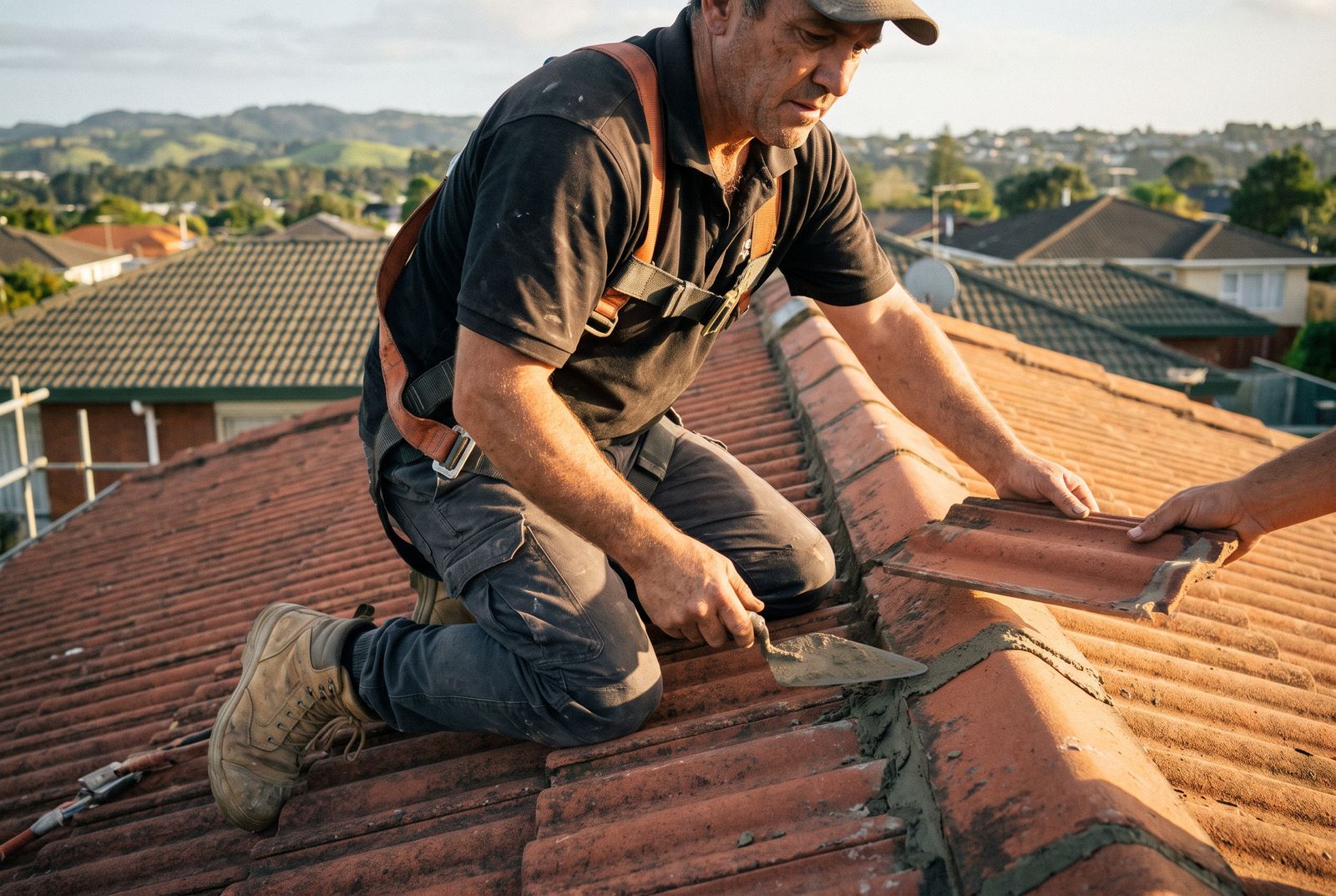 Tile Roof RepairsCracked and slipped tiles replaced, ridges rebedded and repointed, and leaks under tiles traced and sealed.
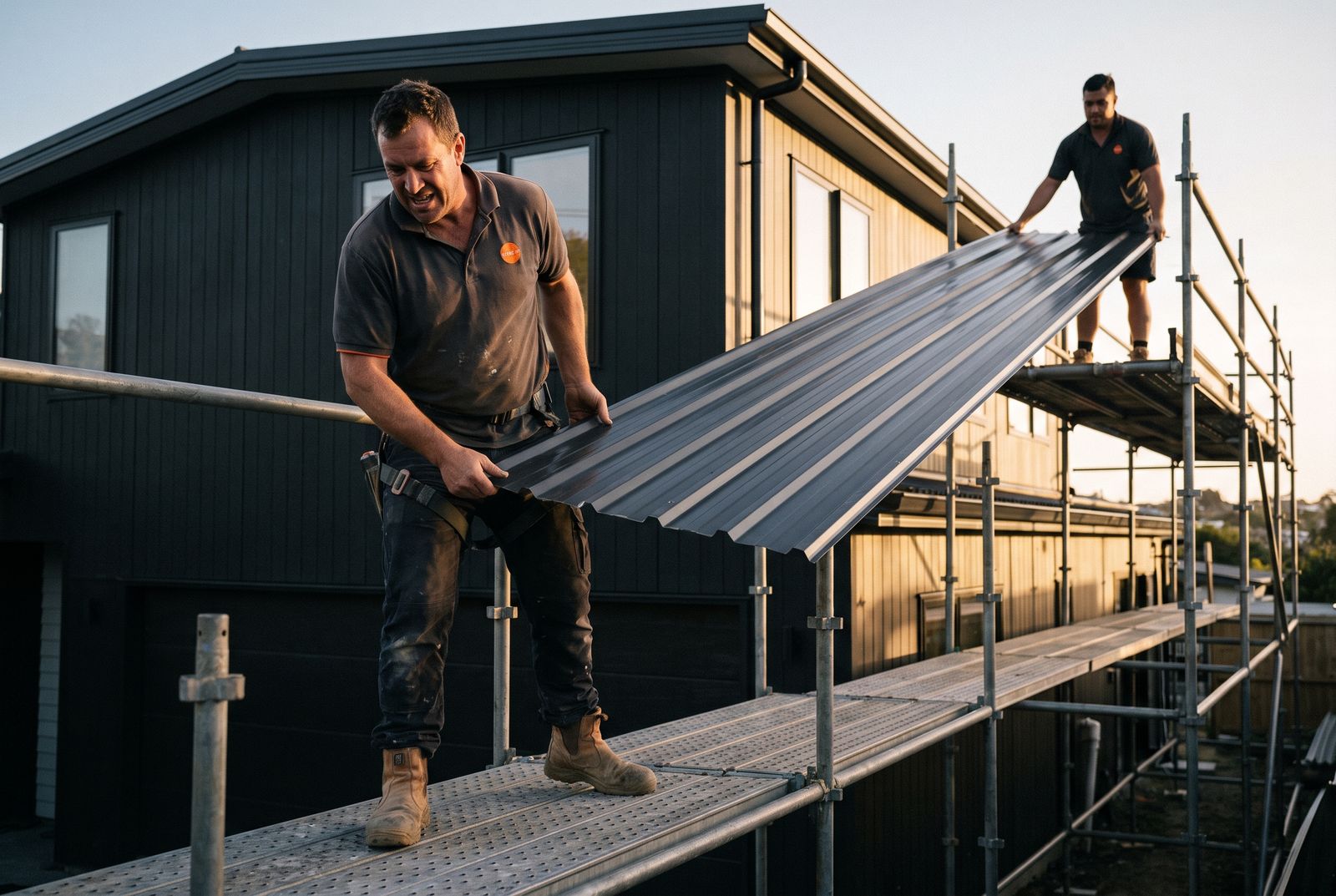 Metal RoofingLongrun COLORSTEEL roofing in corrugate and trapezoidal profiles, rolled to length for your roof.
Read Next
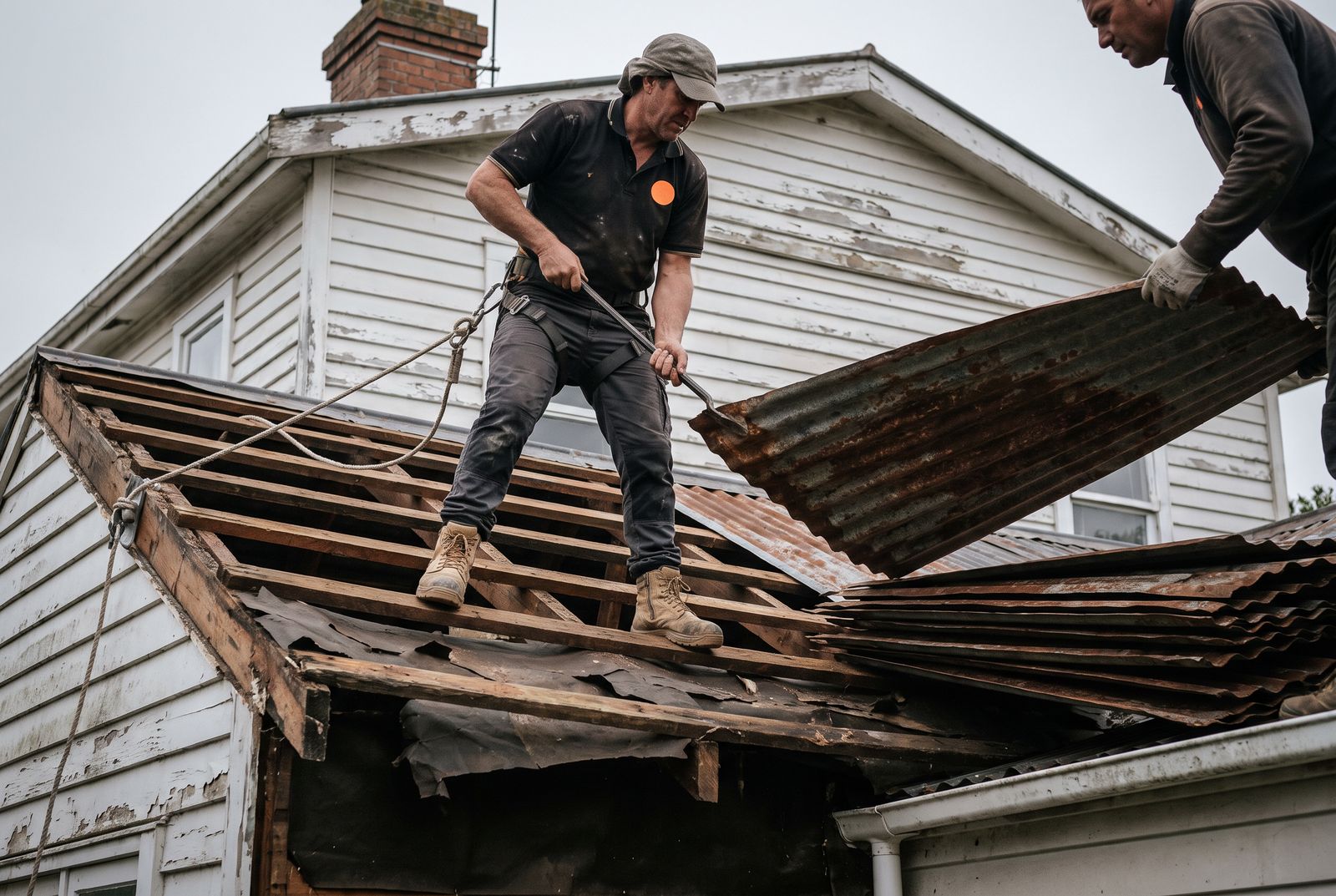
Decramastic Roofs: Lifespan, Asbestos and Replacement Options
A decramastic roof is made of pressed steel tiles with a bitumen-based coating and a stone chip finish. It fails gradual...
Read article
How Much Does COLORSTEEL Roofing Cost in NZ? (2026)
There is no public COLORSTEEL price list for homeowners. Installed, the Made 4 Tradies rates guide (September 2026) puts...
Read article
How Long Does a Reroof Take? (and What If It Rains?)
A straightforward reroof of a single-storey Auckland house usually takes several working days on the roof once the scaff...
Read article