
Underlay is the layer you never see once a roof is finished, and it is the first thing a cheap quote tends to skimp on. It sits between the roofing and the framing, catching any water that gets past the cladding and soaking up the condensation that forms under steel on cold nights.
If you are planning re-roofing, the underlay line on the quote deserves as much attention as the steel. This guide covers when underlay is required, how synthetic and bitumen products differ, how long underlay lasts, why it is replaced during a re-roof, and the signs that yours has already failed.
Do I need underlay under a steel roof?
Yes. Clause 8.4.5.1 of E2/AS1, the Acceptable Solution for Building Code clause E2 External Moisture, says all profiled metal long-run roofing shall have a roof underlay, and clause 8.3.4.1 says the same for metal tiles. BRANZ puts it simply: all profiled metal roofing requires an absorbent underlay.
Tile roofs are the main exception. E2/AS1 allows double-profile concrete tiles at 20 degrees or more and the equivalent clay tiles at 25 degrees or more to go without underlay, unless the roof is in a Very High or Extra High wind zone or receives water from a spreader. BRANZ still recommends underlay in all situations. Membrane roofs are different again, because the membrane itself is the waterproof layer.
BRANZ lists four jobs that underlay does:
- A second line of defence against water that gets past the roofing
- Absorbing condensation that forms on the underside of the roof cladding
- Reducing air movement through the roof space
- Keeping dust and dirt out of the roof space
What is the best roof underlay in NZ?
The best underlay is the one that is compliant for your roof, pitch and wind zone, installed with the right laps and support. There is no single best brand, and a premium product laid badly will do worse than a standard one laid well.
In practice that means one of two routes. The first is a kraft-based underlay meeting NZS 2295 and Table C.2.1.1 of E2/AS1, either R1 heavy weight kraft, which must be fully supported, or R2 self-supporting kraft, laid with no more than 1.2 metres between supports. The second is a synthetic underlay with a current BRANZ Appraisal that covers your roofing type, pitch and wind zone. Several synthetic underlays hold appraisals for self-supporting use under profiled metal and metal tiles in wind zones up to Extra High.
Cheeky's Roofers picks between the two routes on pitch, wind zone and the roofing profile. Whichever route your roofer takes, ask them to name the product on the quote and confirm it suits the pitch. Some appraised synthetics are rated down to 3 degrees, with extra conditions on how they are run and supported below 8 degrees.
Synthetic or bitumen underlay: what is the difference?
Bitumen underlay is kraft paper impregnated with bitumen, and it absorbs moisture; synthetic underlay is a woven or layered plastic membrane that is lighter, stronger and usually self-supporting. E2/AS1 is written around the paper-based products and notes that metal roofs require paper-based underlays, so synthetics are used on the strength of their own BRANZ Appraisal rather than under the Acceptable Solution.
The absorbency point matters on steel. BRANZ research on underlays and moisture found that condensation on metal roofs tends to run down to the low points of the profile and pass into the underlay where the two touch, so the underlay needs to cope with that moisture rather than let it drip. Kraft does this by soaking it up. Appraised synthetics show how they manage it in their test results and installation method, sometimes by holding the underlay off the roofing.
There are practical differences on site too. Synthetics resist tearing in wind and under foot, and many span between purlins without mesh. Bitumen products can be affected by solvent in freshly LOSP-treated timber, so E2/AS1 says to let the solvent evaporate before laying them.
Want to know what is under your roof?
Cheeky's Roofers checks the roof space at every free measure and tells you whether your underlay is sound, failing or missing.
How long does roof underlay last?
Underlay is meant to last as long as the roof above it, as long as it stays covered and dry. BRANZ Appraisals for synthetic roof underlays tie their durability to the cladding they sit under, which under Building Code clause B2 is at least 15 years, and 50 years where the roof cladding is expected to last that long.
What shortens that life is exposure. Sunlight breaks down underlay quickly, which is why appraised products set a limit on how long they can be left uncovered during construction; one widely used synthetic, for example, must not be exposed for more than 90 days in total. On older roofs, underlay fails where it has been torn during repairs, where it sags and holds water, or where years of condensation have rotted it.
Many older Auckland roofs have no underlay at all. Villas in Ponsonby and Grey Lynn often still have iron laid straight onto purlins or over old sarking boards, and those roof spaces are prone to condensation drips on cold mornings.
Should underlay be replaced when re-roofing?
Yes. A new steel roof needs underlay to meet E2/AS1, and the old underlay is almost never worth keeping: it is usually brittle, torn or stained, and it gets damaged further as the old roofing comes off. Laying new underlay is a small share of the cost of a re-roof and it is the only time it can be done properly.
Replacing it also means the purlins and rafters are exposed for a check, and rotten timber can be fixed before it is covered for another few decades. E2/AS1 sets out how it goes back: 150 mm laps at every side and end, run horizontally on pitches below 10 degrees, and supported so it cannot sag.
A re-roof is also the cheapest moment to add roof ventilation, such as vented ridges or ventilated battens, because the roof is already open. In damp, shaded spots like Titirangi and Glen Eden, where roof spaces rarely dry out in winter, new underlay and better ventilation together do more than either one alone.
What are the signs roof underlay has failed?
The signs are all in the roof space, so take a torch up on a dry day and look at the underside of the roof. Underlay that crumbles, tears when touched or hangs in loose pockets is no longer doing its job.
If you are buying a house or planning work, a roof inspection with photos of the roof space will record the underlay's condition, which is something a look from the street can never tell you.
- Brittle, flaking or crumbling underlay, especially near the eaves
- Tears, holes or gaps where you can see daylight or the back of the roofing
- Sagging between supports, with tidemarks where water has pooled
- Water stains or black mould on rafters and purlins below the underlay
- Damp or compressed ceiling insulation with no obvious leak above
- Rust spots on the underside of steel roofing where underlay is missing
What should the underlay line on a roofing quote say?
It should name the product, say whether it is self-supporting or laid over mesh, and confirm it is suitable for your roof's pitch and wind zone. If a quote just says underlay, or says nothing, ask before you sign.
Cheeky's Roofers lists the underlay product and its support method on every re-roof quote and photographs the old underlay as it comes off, so you can see what was there. The same applies to a full roof replacement where the roof is too far gone for repairs. If you would like an underlay you can actually name, book a free measure and we will include it in an itemised written quote.
Frequently Asked Questions
Can roofing go straight on without underlay?
Not for a steel roof built to E2/AS1, which requires underlay under all profiled metal and metal tile roofing. Many old Auckland roofs were laid without it, which is legal for existing work, but any new steel roof or re-roof should include it.
Can underlay be replaced without removing the roof?
Not practically. Underlay runs under the roofing and over the purlins, so replacing it means lifting the sheets. Small torn sections can sometimes be patched from below, but widespread failure is fixed as part of a re-roof.
What is sarking?
Sarking is timber boarding fixed over the rafters under the roofing, common on older villas. It is not a substitute for underlay. On a re-roof it may be left in place with new underlay over it, or removed, depending on its condition and the new roofing system.
Does underlay stop rain noise?
Only a little. Underlay is not designed as acoustic insulation. Most of the difference in rain noise comes from ceiling insulation and well-tightened fixings rather than the underlay itself.
Is fire-retardant underlay needed?
Fire-retardant underlays exist, and the E2/AS1 underlay table covers fire-retardant paper-based products as well as standard bitumen kraft. Whether your roof needs one depends on the fire design for the building, so ask your designer or roofer to confirm before the product is chosen.
Our Services
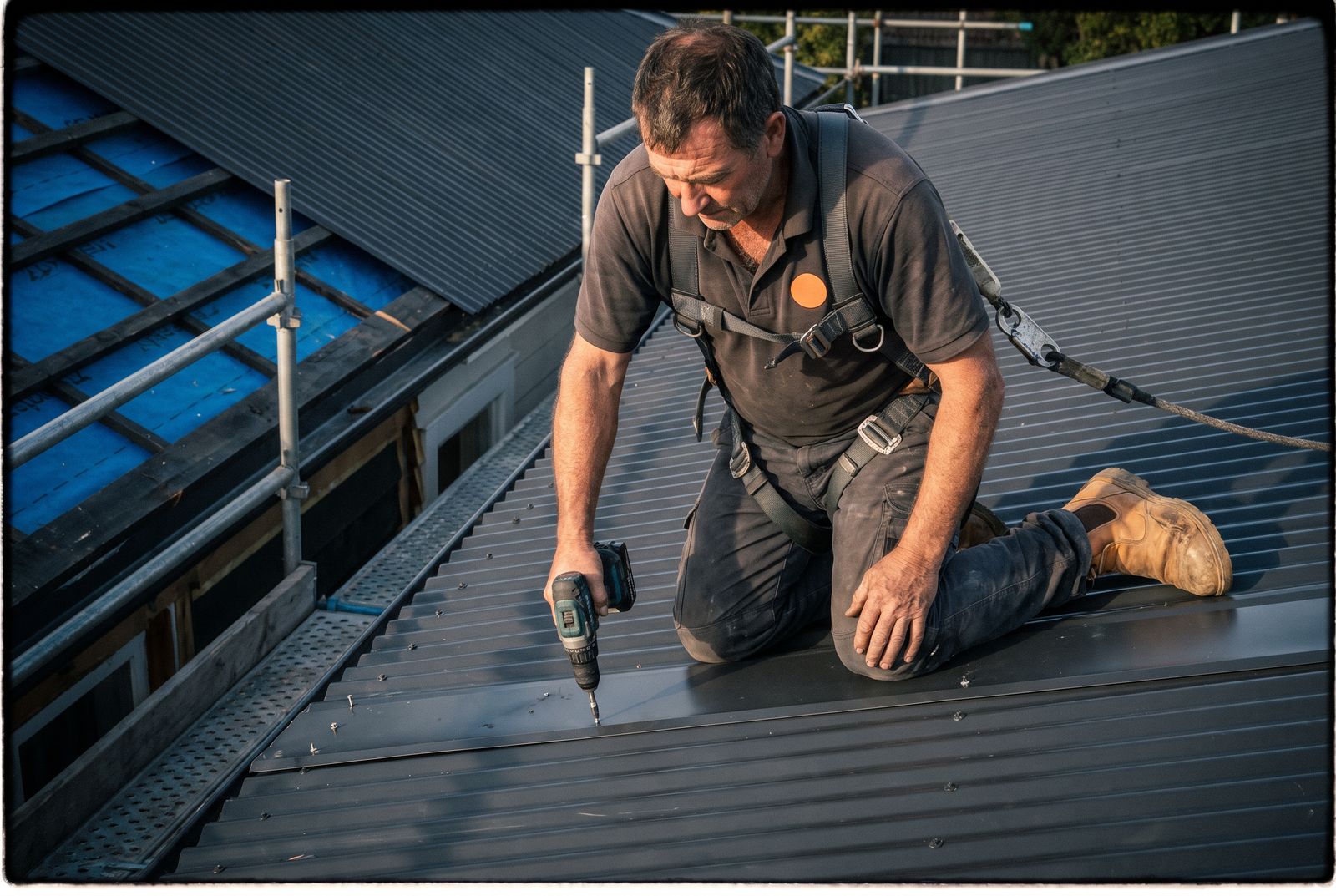 Re-RoofingA full re-roof replaces your old roofing, underlay and flashings with a new COLORSTEEL roof built to today's Building Code.
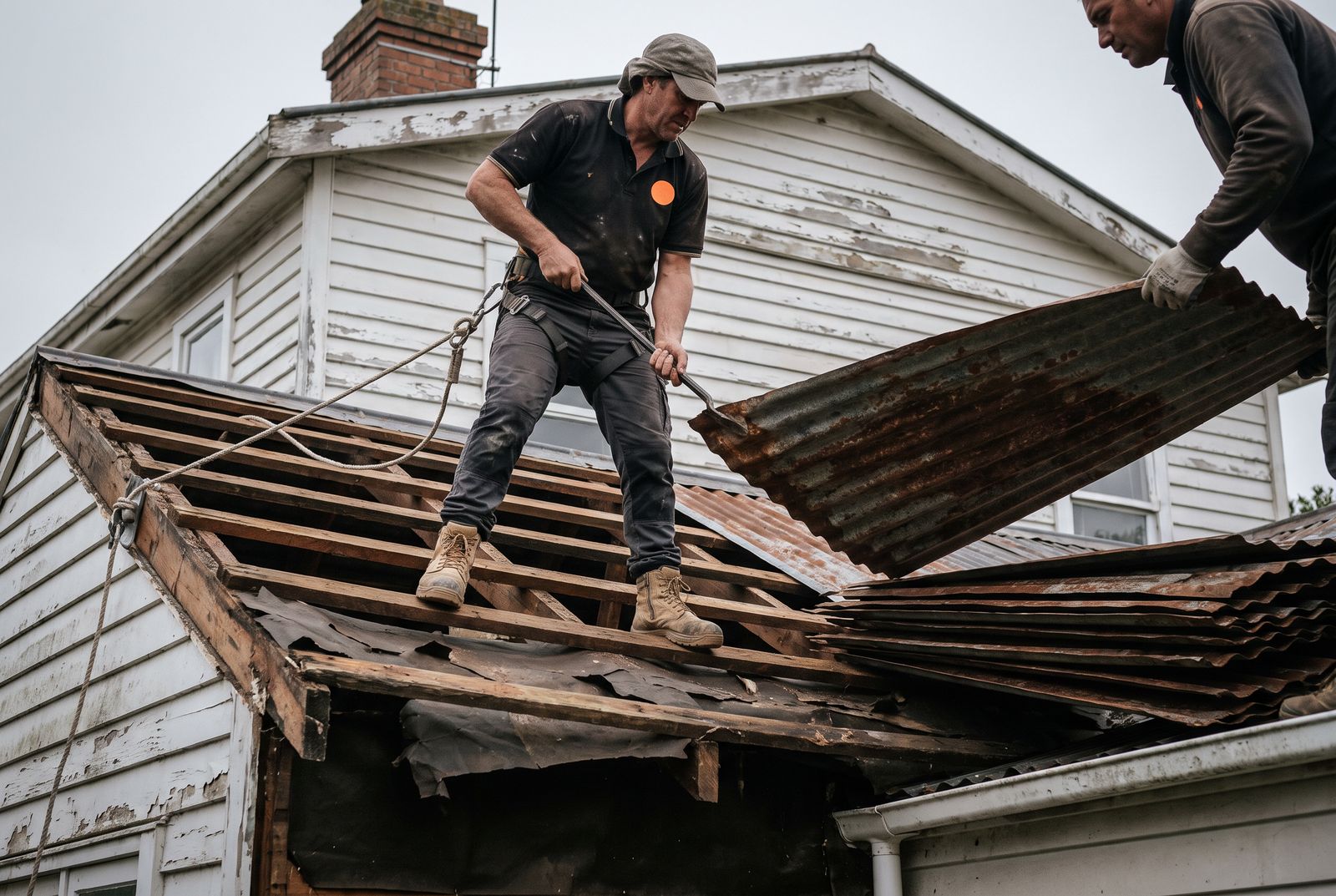 Roof ReplacementWhen repairs no longer make sense, we replace the roof completely and leave you with a roof that is good for decades.
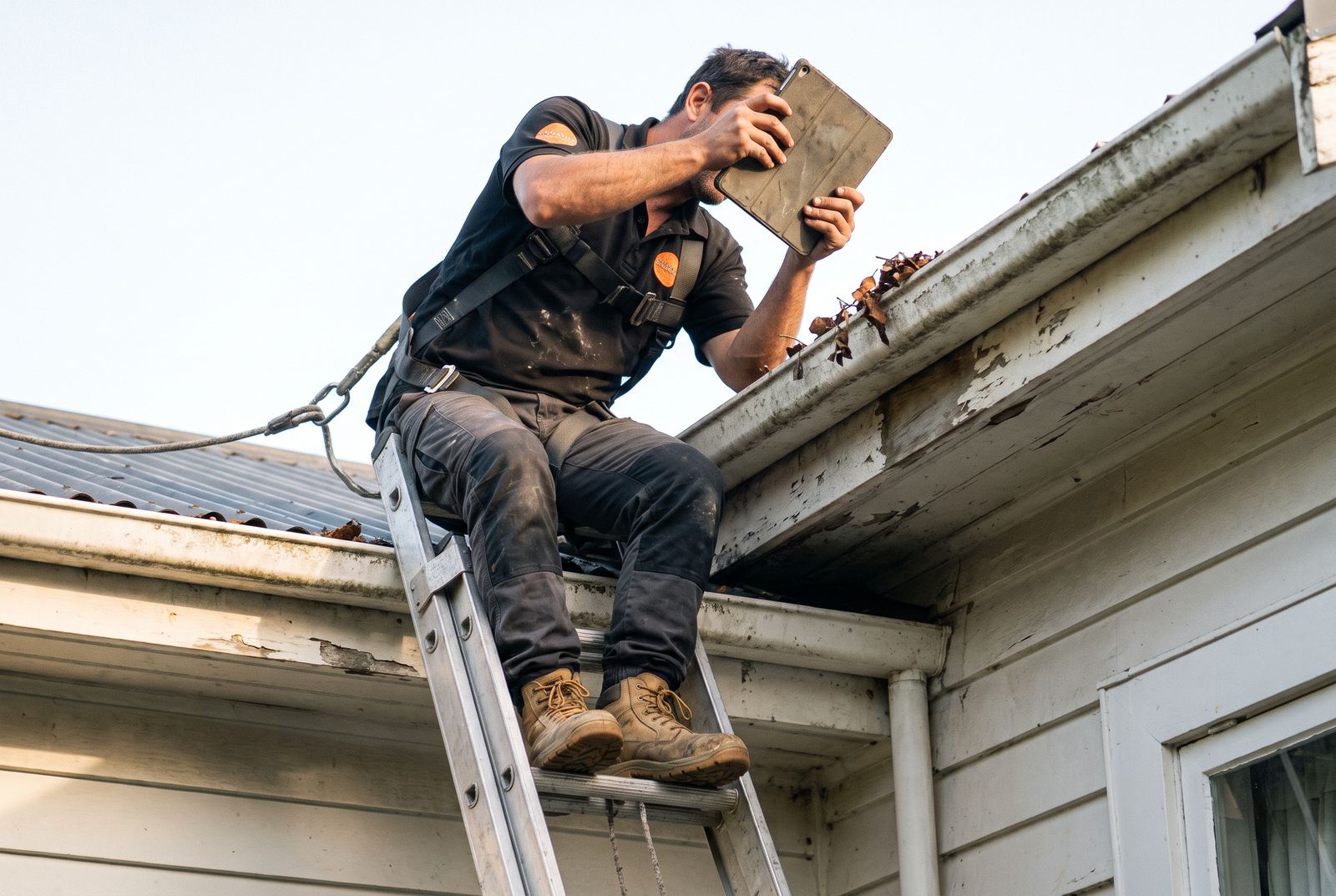 Roof InspectionsA detailed roof report with photos and honest repair or replace advice, for owners, buyers and insurers.
Read Next
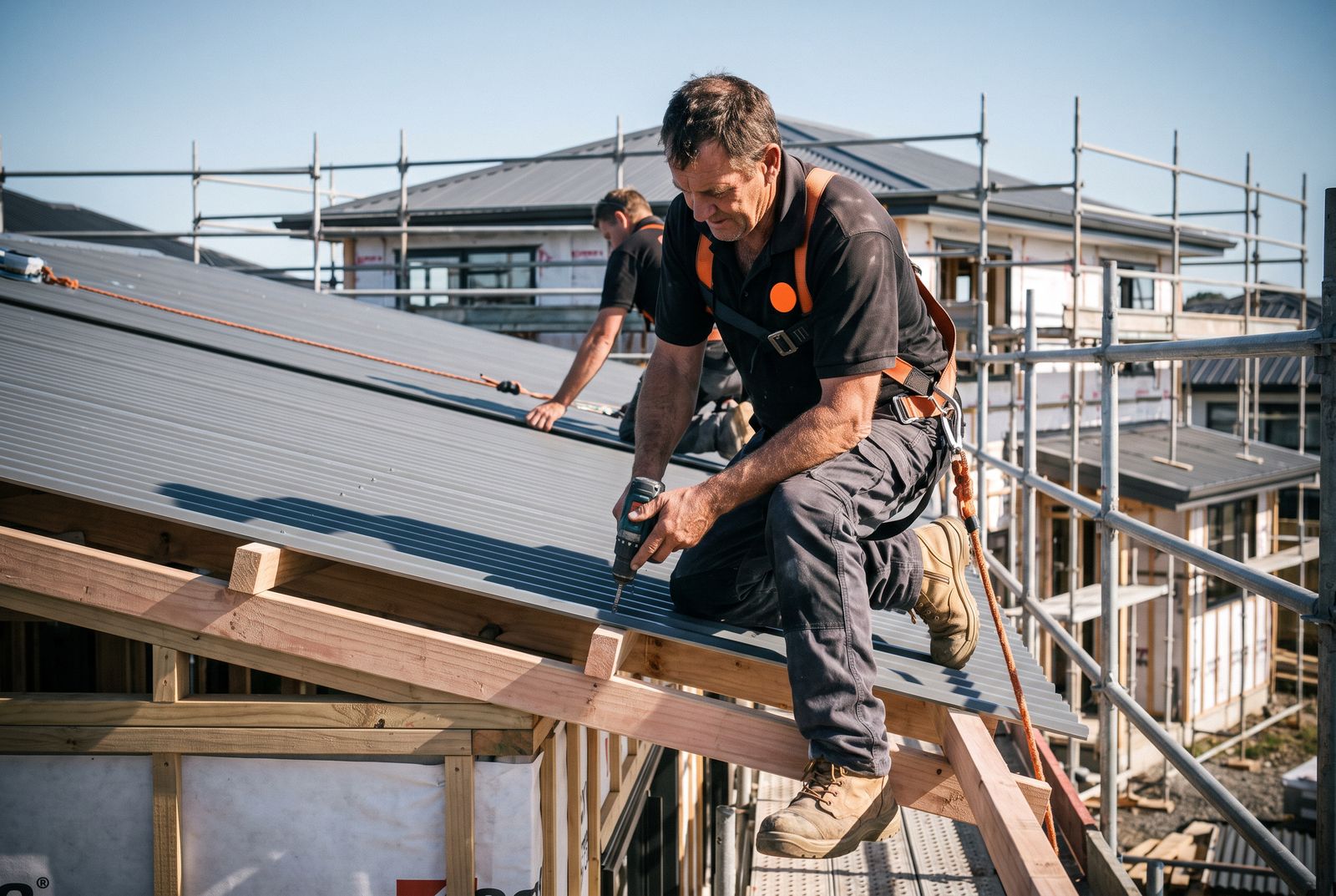
Roof Pitch Calculator and Minimum Pitches for NZ Roofs
Roof pitch is the angle of the roof from horizontal. Measure the rise over a 1 metre level run, then use the table below...
Read article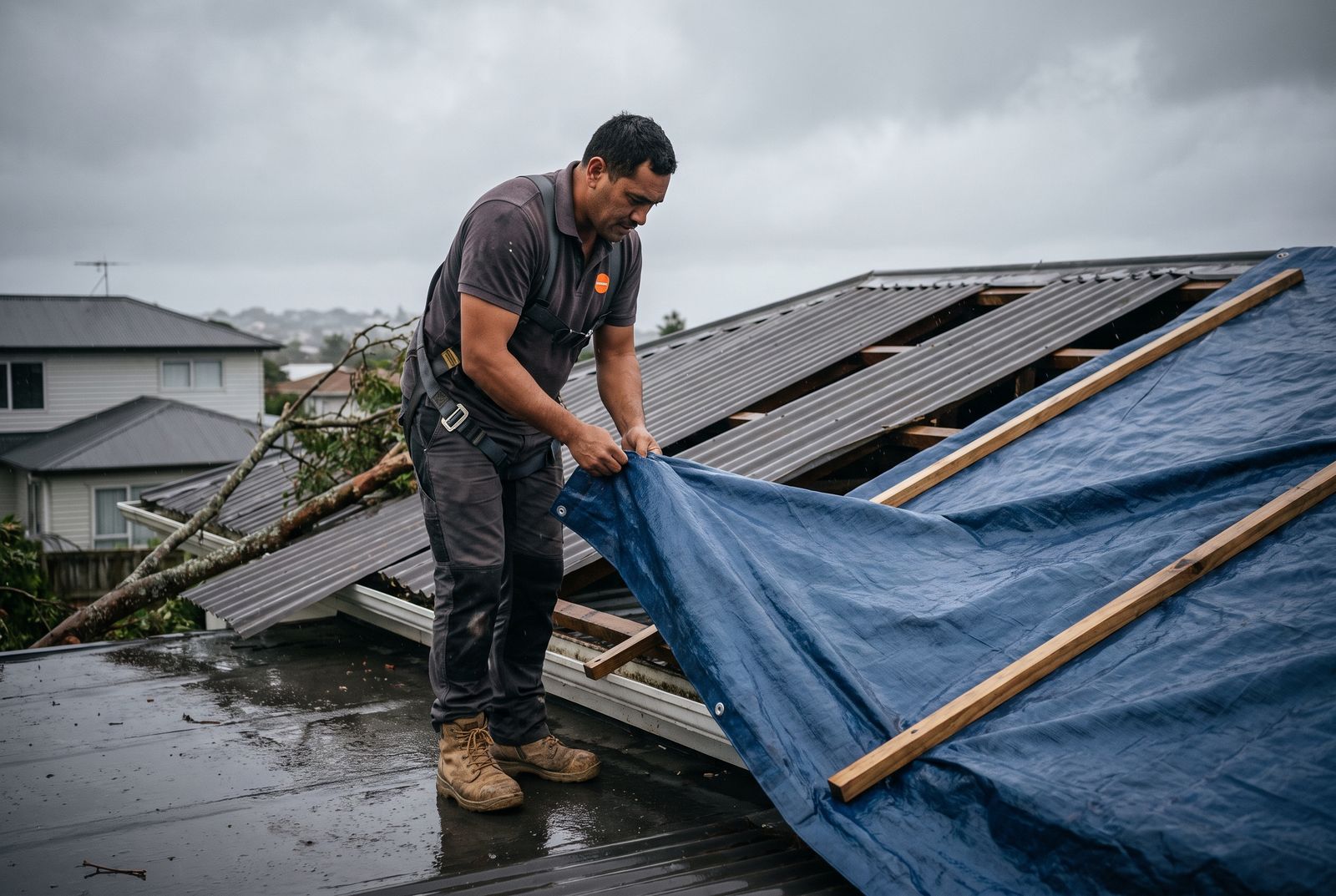
Roof Leaking? How to Find the Source and What to Do First
If your roof is leaking, catch the water, switch off power at the switchboard if water is near lights or switches, and p...
Read article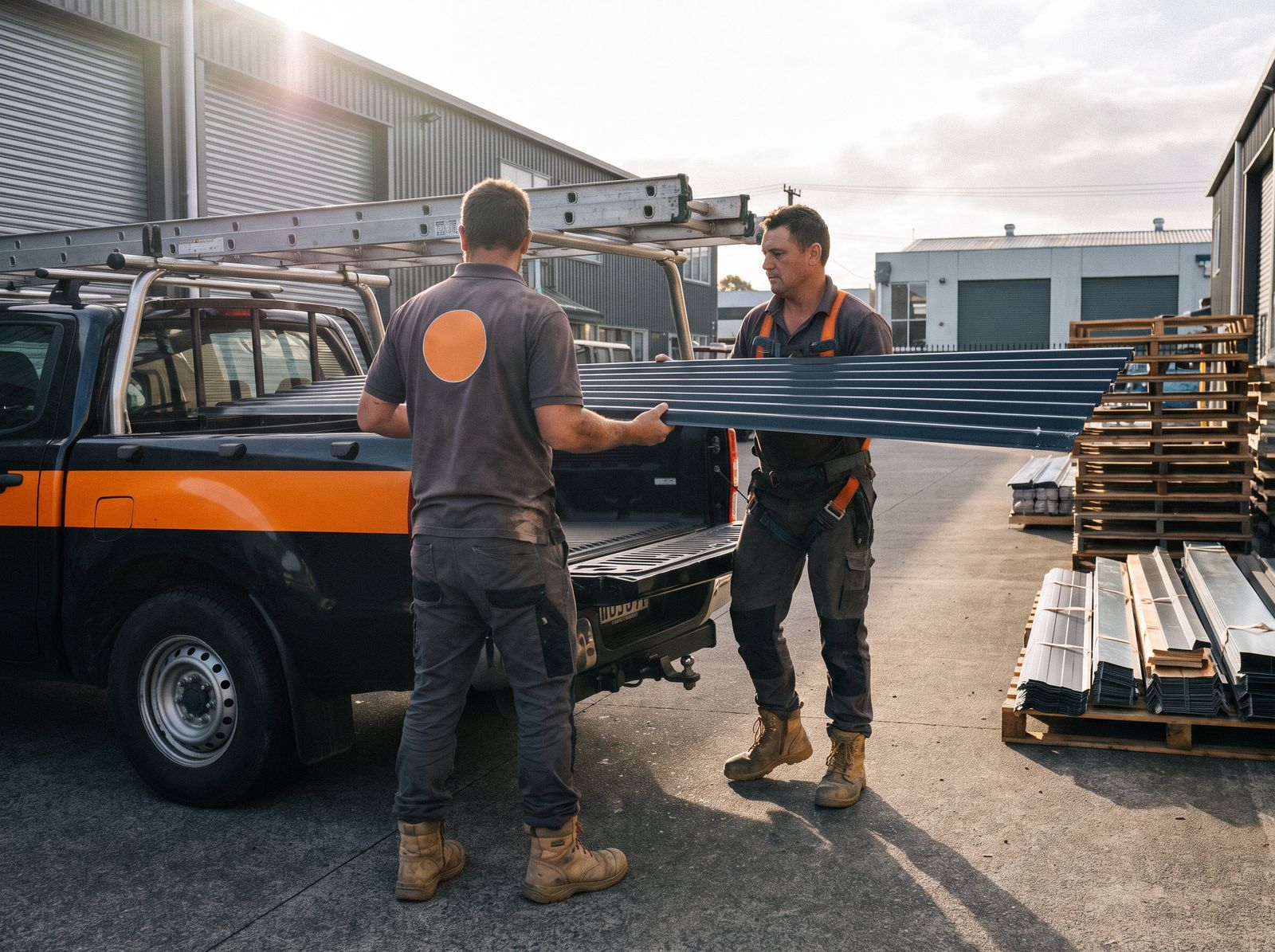
How Much Does a New Roof Cost in NZ? (2026 Price Guide)
The Made 4 Tradies rates guide (September 2026) puts Auckland re-roofing at $95 to $150 per square metre and a full re-r...
Read article